Showing posts with label COP15. Show all posts

Saturday, December 26, 2009

45,000 Delegates, Lots of hot air, Cop15 Agreement Failure, Priceless


It began like this:

“THOUSANDS of politicians, bureaucrats and environmental activists have arrived in Copenhagen for the global climate summit with all the bravado and self-regard of a group of commandos convinced that they are about to save the world.”

But how did it end?

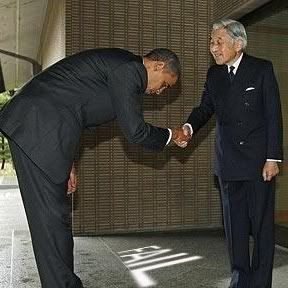
Barack Hussein Obama, US President, described the Cop15 agreement at a press conference just before he left Copenhagen thus:

"Today we've made meaningful and unprecedented breakthrough here in Copenhagen."

Only a week later the Barack seems to have had a change of heart in this interview with Jim Lehrer of Newshour saying,

“I think that people are justified in being disappointed about the outcome in Copenhagen. What I said was essentially that rather than see a complete collapse in Copenhagen, in which nothing at all got done and would have been a huge backward step, at least we kind of held ground and there wasn't too much backsliding from where we were."

Uhhh no Mr President that is not in fact what you essentially said only 5 days ago in Copenhagen. You see what you said was in the press release referenced in the first link above and we have this thing called the internet where we can download it and see exactly what you said. What you said (essentially, indeed exactly) was "Today we've made meaningful and unprecedented breakthrough here in Copenhagen." That is nothing like what you are saying you said now, not even close. The meaning is totally different. One statement points north and the other 180 degrees south.

Seems everyone associated with disastrous man made global warming is as slippery as an eel. The Hockey Team "scientists", the IPCC, the chair of the IPCC and politicians supporting the process. One would think that if the science was so certain the process would be crsytal clear, there would be no deleted original data by the Climatic Research Unit (the subject of Climategate affair), there would be release of original raw data and code, there would be a transparent methodology open to intense scrutiny, there would be no breach of ethics in the peer review process, no debunked hockey stick graph, no embaressing data expunged from the tree ring graph, no breach of FOI laws currently under legal investigation, no elimation of the widely recognized (in the scientific literature) Medieval Warm Period nor of the Little Ice Age.... and the list goes on and on and on. Tomorrow I will post a video of a Nobel Prize winning scientist who pulls no punches criticising the IPCC process and the scientists associated with it blasting the whole man made global warming hypothesis as trash. Watch for it as it is both entertaining and informative.

In the mean time lets look at what actually came out of Cop15. The accord itself is non-binding as some countries declined to endorse it. That means that conference organisers can only "take note" of the accord - it has no force as a UN agreement such as this requires unanimous endorsement.

The text of the unedited advance version of the COP15 accord as it currently stands:

Decision -/CP.15
The Conference of the Parties,

Takes note of the Copenhagen Accord of 18 December 2009.

Copenhagen Accord

The Heads of State, Heads of Government, Ministers, and other heads of the following delegations present at the United Nations Climate Change Conference 2009 in Copenhagen: [List of Parties]

In pursuit of the ultimate objective of the Convention as stated in its Article 2,

Being guided by the principles and provisions of the Convention,
Noting the results of work done by the two Ad hoc Working Groups,
Endorsing decision x/CP.15 on the Ad hoc Working Group on Long-term Cooperative Action and decision x/CMP.5 that requests the Ad hoc Working Group on Further Commitments of Annex I Parties under the Kyoto Protocol to continue its work,

Have agreed on this Copenhagen Accord which is operational immediately.

1. We underline that climate change is one of the greatest challenges of our time. We emphasise our strong political will to urgently combat climate change in accordance with the principle of common but differentiated responsibilities and respective capabilities. To achieve the ultimate objective of the Convention to stabilize greenhouse gas concentration in the atmosphere at a level that would prevent dangerous anthropogenic interference with the climate system, we shall, recognizing the scientific view that the increase in global temperature should be below 2 degrees Celsius, on the basis ofequity and in the context of sustainable development, enhance our long-term cooperative action to combat climate change. We recognize the critical impacts of climate change and the potential impacts of response measures on countries particularly vulnerable to its adverse effects and stress the need to establish a comprehensive adaptation programme including international support.

2. We agree that deep cuts in global emissions are required according to science, and as documented by the IPCC Fourth Assessment Report with a view to reduce global emissions so as to hold the increase in global temperature below 2 degrees Celsius, and take action to meet this objective consistent with science and on the basis of equity. We should cooperate in achieving the peaking of global and national emissions as soon as possible, recognizing that the time frame for peaking will be longer in developing countries and bearing in mind that social and economic development and poverty eradication are the first and overriding priorities of developing countries and that a low-emission development strategy is indispensable to sustainable development.

3. Adaptation to the adverse effects of climate change and the potential impacts of response measures is a challenge faced by all countries. Enhanced action and international cooperation on adaptation is urgently required to ensure the implementation of the Convention by enabling and supporting the implementation of adaptation actions aimed at reducing vulnerability and building resilience in developing countries, especially in those that are particularly vulnerable, especially least developed countries, small island developing States and Africa. We agree that developed countries shall provide adequate, predictable and sustainable financial resources, technology and capacity-building to support the implementation of adaptation action in developing countries.

4. Annex I Parties commit to implement individually or jointly the quantified economy-wide emissions targets for 2020, to be submitted in the format given in Appendix I by Annex I Parties to the secretariat by 31 January 2010 for compilation in an INF document. Annex I Parties that are Party to the Kyoto Protocol will thereby further strengthen the emissions reductions initiated by the Kyoto Protocol. Delivery of reductions and financing by developed countries will be measured, reported and verified in accordance with existing and any further guidelines adopted by the Conference of the Parties, and will ensure that accounting of such targets and finance is rigorous, robust and transparent.

5. Non-Annex I Parties to the Convention will implement mitigation actions, including those to be submitted to the secretariat by non-Annex I Parties in the format given in Appendix II by 31 January 2010, for compilation in an INF document, consistent with Article 4.1 and Article 4.7 and in the context of sustainable development. Least developed countries and small island developing States may undertake actions voluntarily and on the basis of support. Mitigation actions subsequently taken and envisaged by Non-Annex I Parties, including national inventory reports, shall be communicated through national communications consistent with Article 12.1(b) every two years on the basis of guidelines to be adopted by the Conference of the Parties. Those mitigation actions in national communications or otherwise communicated to the Secretariat will be added to the list in appendix II. Mitigation actions taken by Non-Annex I Parties will be subject to their domestic measurement, reporting and verification the result of which will be reported through their national communications every two years. Non-Annex I Parties will communicate information on the implementation of their actions through National Communications, with provisions for international consultations and analysis under clearly defined guidelines that will ensure that national sovereignty is respected. Nationally appropriate mitigation actions seeking international support will be recorded in a registry along with relevant technology, finance and capacity building support. Those actions supported will be added to the list in appendix II. These supported nationally appropriate mitigation actions will be subject to international measurement, reporting and verification in accordance with guidelines adopted by the Conference of the Parties.

6. We recognize the crucial role of reducing emission from deforestation and forest degradation and the need to enhance removals of greenhouse gas emission by forests and agree on the need to provide positive incentives to such actions through the immediate establishment of a mechanism including REDD-plus, to enable the mobilization of financial resources from developed countries.

7. We decide to pursue various approaches, including opportunities to use markets, to enhance the cost-effectiveness of, and to promote mitigation actions. Developing countries, especially those with low emitting economies should be provided incentives to continue to develop on a low emission pathway.

8. Scaled up, new and additional, predictable and adequate funding as well as improved access shall be provided to developing countries, in accordance with the relevant provisions of the Convention, to enable and support enhanced action on mitigation, including substantial finance to reduce emissions from deforestation and forest degradation (REDD-plus), adaptation, technology development and transfer and capacity-building, for enhanced implementation of the Convention. The collective commitment by developed countries is to provide new and additional resources, including forestry and investments through international institutions, approaching USD 30 billion for the period 2010 . 2012 with balanced allocation between adaptation and mitigation. Funding for adaptation will be prioritized for the most vulnerable developing countries, such as the least developed countries, small island developing States and Africa. In the context of meaningful mitigation actions and transparency on implementation, developed countries commit to a goal of mobilizing jointly USD 100 billion dollars a year by 2020 to address the needs of developing countries. This funding will come from a wide variety of sources, public and private, bilateral and multilateral, including alternative sources of finance. New multilateral funding for adaptation will be delivered through effective and efficient fund arrangements, with a governance structure providing for equal representation of developed and developing countries. A significant portion of such funding should flow through the Copenhagen Green Climate Fund.

9. To this end, a High Level Panel will be established under the guidance of and accountable to the Conference of the Parties to study the contribution of the potential sources of revenue, including alternative sources of finance, towards meeting this goal.

10. We decide that the Copenhagen Green Climate Fund shall be established as an operating entity of the financial mechanism of the Convention to support projects, programme, policies and other activities in developing countries related to mitigation including REDD-plus, adaptation, capacity-building, technology development and transfer.

11. In order to enhance action on development and transfer of technology we decide to establish a Technology Mechanism to accelerate technology development and transfer in support of action on adaptation and mitigation that will be guided by a country-driven approach and be based on national circumstances and priorities.

The two appendixes are blank. Apparently they will be filled in later. When that happens I will post a pdf of the final agreement.

A stunning achievement for a meeting comprising 45,000 attendees including 190 self inflicted "Leaders of the World". Basically nothing more than a non-binding agreement to make an agreement sometime plus of course despite achieving nothing on emissions it locks in the "transfer" of hundreds of billions of dollars from developed countries to other countries to "assist" with "climate change" (see para 8). I'll have more to say about the aptly named REDD plan referred to often in the above document and I'll show where you can dowload a copy of their book, called The Little REDD Book. Apparantly modelling a book title after a Mao Tse-tung's Little Red Book, a man responsible for the deaths of tens of millions of his own countrymen, is somehow a fitting thing for the enviromental movement and the UN (and Obama) to entertain. Others would call it sickening and somewhat frightening. Anyway, keep up the hard work fellas and you might get there by 3010.

The non-outcome of COP15 is of course something of which we should be thankful. I hope we get to see a full acounting for not just the actual total cost of the conference but also the cost of various billion dollar pledges to other nations being thrown around with gay abandon. I won't be holding my breath.

One earnest 20-something that expelled vast quantities of carbon dioxide to travel from Australia to Copenhagen had this to say,

“Perhaps it’s because today I finally got more than a few hours of uninterrupted sleep, or perhaps it’s the sense of hope that was infused into the air at the vigil that civil society held tonight as we sat with candles and listened to strong young leaders from the climate movement around the world speak words more powerful and with more emotion than I could ever hope to represent in writing.

Mostly it’s too hard to find the words to describe how I feel about climate change. This is even more so here in Copenhagen. Yesterday at a talk by George Monbiot he pointed out that climate change is too benign to describe what’s happening to the world… it’s like describing an invasion as “unexpected visitors”. To be young and alive today is to witness our Earth breaking and see our “leaders” demonstrate a spectacular failure of leadership. As Alex Steffen wrote, “to be young and aware today is to see your elders as cannibals with golf clubs”.”

And in a later blog entry,

Today, humanity, all species, all nations and all peoples’ survival hung in the balance as negotiators bargained... about what kind of world we will live in in 2050.”

There you have it. An indoctrinated climate clown who sees her “elders as cannibals”. I wonder if that includes her parents or is it just other people’s parents that are cannibals? Her references to “elders” are also interesting. From her posts we see Ana went to university in 2003. If she graduated that year at 21 that means she is now 27. She is hardly a youth and is indeed about to become a junior member of the “elder” club. I do hope she has some immunity from that cannibal virus she seems to think infests the population at a certain age. Time to grow up Ana. You are not a “youth” and haven’t been for a decade. There is no danger of extinction of life on planet earth due to AGW. No scientist is pushing that barrow; not even the discredited CRU Hockey team or the IPCC. Breath deeply, take a Bex and have a nice lie down and you'll feel better in the morning.


Read more...

Thursday, December 17, 2009

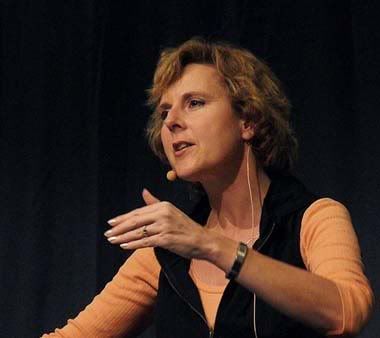
Connie Hedegaard Resigns as President of Copenhagen Climate Summit

From the UK Guardian,
“A spokesperson for the British prime minister, Gordon Brown, said that the move was not a surprise and had always been planned. He confirmed that Brown, Rasmussen and the Australian prime minister, Kevin Rudd, had discussed it during a three-hour meeting last night. The three had decided that Rasmussen taking over was the right thing to do to "ramp up" the urgency of the talks for the final three days.”


Photo: Mogens Engelund, Wikipedia

What a bunch of clowns the Leaders of the World are that attend Copenhagen. They couldn’t run a successful school cafeteria. With Connie resigning (i.e. pushed out) and hundreds being arrested the Climate Circus at Copenhagen is a snapshot of what the future will be like under the control of these self appointed leaders of the new CO2 Restricted World. This is how they run their affairs. Imagine how much worse it will be when they run yours.

Meanwhile another World Leader jets into Copenhagen - President Mugabe, leader of Zimbabwe gets a free pass from Western countries banning him from foreign travel this being a UN meeting and all. No doubt Mugabe will be able to Save the World with his buddies at Copenhagen. He’s doing such a bang up job of saving Zimbabwe I’m sure he’ll be well worth listening to – bring your note pads. If only Dr Phil Jones could have made it to COP15 the circle would be complete. Unfortunately Phil and a few of his Hockey Team mates have been distracted by another small matter. I wonder how Phil feels being shunned by Copenhagen whilst Mugabe gets welcomed. After all Phil only hid the decline, not corpses. I guess when you play with the big boys you can’t expect to be on the run on team for the whole game when your only a fill in.

It is interesting isn’t it that with the technological know how and unlimited money at their disposal the only thing the self appointed Leaders of the World at Cop15 seem to be able to come up with to Save the World is another tax i.e. wealth distribution. For the mentally challenged wealth distribution is a euphemism for taking an asset by force (ultimately at the pointy end of a gun) from the rightful owner and giving it to someone else. In the case of Cop15 much of the ill gotten stolen loot looks likely to end up in the hands of the elites in such notable places as Africa where I am sure they will hand it all over to their down trodden peoples to install solar powered sewerage systems and the like. Of course emptying your wallet always was and always will be the answer when people invent problems for you and then present you with the solution. Wealth misappropriation is the nocturnal wet dream of all statists. The new Green Religion is their means of getting you to hand them the keys.

I don’t blame the poor countries for co-opting the Copenhagen Circus to extract money. That is what their talents lay. They were promised glittering bagfuls of treasure by the incompetent fools leading the western world as carbon reparations. Who could blame them for squealing a little when the feed trough was removed before the got to sup?


Read more...

Thursday, December 10, 2009

Open Letter to Sec Gen of UN by 141 Scientists Asking For Convincing Evidence

This one is rather long. Click on read me below to see the text of the letter and the 140 scientists that signed. This was obtained form the Copenhagen Climate Challenge website. If you are a suitably qualified climate scientist you can add your signature to the letter at the Copenhagen Climate Challenge website.

Open Letter to Secretary-General of United Nations


His Excellency Ban Ki Moon

Secretary-General, United Nations

New York, NY

United States of America


8 December 2009


Dear Secretary-General,


Climate change science is in a period of ‘negative discovery’ - the more we learn about this exceptionally complex and rapidly evolving field the more we realize how little we know. Truly, the science is NOT settled.

Therefore, there is no sound reason to impose expensive and restrictive public policy decisions on the peoples of the Earth without first providing convincing evidence that human activities are causing dangerous climate change beyond that resulting from natural causes. Before any precipitate action is taken, we must have solid observational data demonstrating that recent changes in climate differ substantially from changes observed in the past and are well in excess of normal variations caused by solar cycles, ocean currents, changes in the Earth's orbital parameters and other natural phenomena.

We the undersigned, being qualified in climate-related scientific disciplines, challenge the UNFCCC and supporters of the United Nations Climate Change Conference to produce convincing OBSERVATIONAL EVIDENCE for their claims of dangerous human-caused global warming and other changes in climate. Projections of possible future scenarios from unproven computer models of climate are not acceptable substitutes for real world data obtained through unbiased and rigorous scientific investigation.

Specifically, we challenge supporters of the hypothesis of dangerous human-caused climate change to demonstrate that:

1.Variations in global climate in the last hundred years are significantly outside the natural range experienced in previous centuries;

2.Humanity’s emissions of carbon dioxide and other ‘greenhouse gases’ (GHG) are having a dangerous impact on global climate;
3.Computer-based models can meaningfully replicate the impact of all of the natural factors that may significantly influence climate;
4.Sea levels are rising dangerously at a rate that has accelerated with increasing human GHG emissions, thereby threatening small islands and coastal communities;
5.The incidence of malaria is increasing due to recent climate changes;
6.Human society and natural ecosystems cannot adapt to foreseeable climate change as they have done in the past;
7.Worldwide glacier retreat, and sea ice melting in Polar Regions , is unusual and related to increases in human GHG emissions;
8.Polar bears and other Arctic and Antarctic wildlife are unable to adapt to anticipated local climate change effects, independent of the causes of those changes;
9.Hurricanes, other tropical cyclones and associated extreme weather events are increasing in severity and frequency;
10.Data recorded by ground-based stations are a reliable indicator of surface temperature trends.

It is not the responsibility of ‘climate realist’ scientists to prove that dangerous human-caused climate change is not happening. Rather, it is those who propose that it is, and promote the allocation of massive investments to solve the supposed ‘problem’, who have the obligation to convincingly demonstrate that recent climate change is not of mostly natural origin and, if we do nothing, catastrophic change will ensue. To date, this they have utterly failed to do so.


Signed by:


1.Habibullo I. Abdussamatov, Dr. Sci., mathematician and astrophysicist, Head of the Russian-Ukrainian Astrometria project on the board of the Russian segment of the ISS, Head of Space Research Laboratory at the Pulkovo Observatory of the Russian Academy of Sciences, St. Petersburg, Russia
2.Göran Ahlgren, docent organisk kemi, general secretary of the Stockholm Initiative, Professor of Organic Chemistry, Stockholm, Sweden
3.Syun-Ichi Akasofu, PhD, Professor of Physics, Emeritus and Founding Director, International Arctic Research Center of the University of Alaska, Fairbanks, Alaska, U.S.A.
4.J.R. Alexander, Professor Emeritus, Dept. of Civil Engineering, University of Pretoria, South Africa; Member, UN Scientific and Technical Committee on Natural Disasters, 1994-2000, Pretoria, South Africa.
5.Jock Allison, PhD, ONZM, formerly Ministry of Agriculture Regional Research Director, Dunedin, New Zealand
6.Bjarne Andresen, PhD, dr. scient, physicist, published and presents on the impossibility of a "global temperature", Professor, The Niels Bohr Institute, University of Copenhagen, Denmark
7.Timothy F. Ball, PhD, environmental consultant and former climatology professor, University of Winnipeg, Member, Science Advisory Board, ICSC, Victoria, British Columbia, Canada
8.Douglas W. Barr, BS (Meteorology, University of Chicago), BS and MS (Civil Engineering, University of Minnesota), Barr Engineering Co. (environmental issues and water resources), Minnesota, U.S.A.
9.Romuald Bartnik, PhD (Organic Chemistry), Professor Emeritus, Former chairman of the Department of Organic and Applied Chemistry, climate work in cooperation with Department of Hydrology and Geological Museum, University of Lodz, Lodz, Poland
10.Colin Barton, B.Sc., PhD, Earth Science, Principal research scientist (retd), Commonwealth Scientific and Industrial Research Organisation (CSIRO), Melbourne, Victoria, Australia
11.Joe Bastardi, BSc, (Meteorology, Pennsylvania State), meteorologist, State College, Pennsylvania, U.S.A.
12.Ernst-Georg Beck, Dipl. Biol. (University of Freiburg), Biologist, Freiburg, Germany
13.David Bellamy, OBE, English botanist, author, broadcaster, environmental campaigner, Hon. Professor of Botany (Geography), University of Nottingham, Hon. Prof. Faculty of Engineering and Physical Systems, Central Queensland University, Hon. Prof. of Adult and Continuing Education, University of Durham, United Nations Environment Program Global 500 Award Winner, Dutch Order of The Golden Ark, Bishop Auckland County, Durham, U.K.
14.M. I. Bhat, Professor & Head, Department of Geology & Geophysics, University of Kashmir, Srinagar, Jammu & Kashmir, India
15.Ian R. Bock, BSc, PhD, DSc, Biological sciences (retired), Ringkobing, Denmark
16.Sonja A. Boehmer-Christiansen, PhD, Reader Emeritus, Dept. of Geography, Hull University, Editor - Energy&Environment, Multi-Science (www.multi-science.co.uk), Hull, United Kingdom
17.Atholl Sutherland Brown, PhD (Geology, Princeton University), Regional Geology, Tectonics and Mineral Deposits, Victoria, British Columbia, Canada
18.Stephen C. Brown, PhD (Environmental Science, State University of New York), District Agriculture Agent, Assistant Professor, University of Alaska Fairbanks, Ground Penetrating Radar Glacier research, Palmer, Alaska, U.S.A.
19.James Buckee, D.Phil. (Oxon), focus on stellar atmospheres, Calgary, Alberta, Canada
20.Dan Carruthers, M.Sc., Arctic Animal Behavioural Ecologist, wildlife biology consultant specializing in animal ecology in Arctic and Subarctic regions, Alberta, Canada
21.Robert M. Carter, PhD, Professor, Marine Geophysical Laboratory, James Cook University, Townsville, Australia
22.Dr. Arthur V. Chadwick, PhD, Geologist, dendrochronology (analyzing tree rings to determine past climate) lecturing, Southwestern Adventist University, Keene, Texas, U.S.A.
23.George V. Chilingar, PhD, Member, Russian Academy of Sciences, Moscow President, Russian Academy of Natural Sciences, U.S.A. Section, Emeritus Professor of Civil and Environmental Engineering, University of Southern California, Los Angeles, California, U.S.A.
24.Ian D. Clark, PhD, Professor (isotope hydrogeology and paleoclimatology), Dept. of Earth Sciences, University of Ottawa, Ottawa, Ontario, Canada
25.Charles A. Clough, BS (Mathematics, Massachusetts Institute of Technology), MS (Atmospheric Science, Texas Tech University), former (to 2006) Chief of the US Army Atmospheric Effects Team at Aberdeen Proving Ground, Maryland; now residing in Bel Air, Maryland, U.S.A.
26.Paul Copper, BSc, MSc, PhD, DIC, FRSC, Professor Emeritus, Department of Earth Sciences, Laurentian University Sudbury, Ontario, Canada
27.Piers Corbyn, MSc (Physics (Imperial College London)), ARCS, FRAS, FRMetS, astrophysicist (Queen Mary College, London), consultant, founder WeatherAction long range forecasters, London, United Kingdom
28.Allan Cortese, meteorological researcher and spotter for the National Weather Service, retired computer professional, Billerica, Massachusetts, U.S.A.
29.Richard S. Courtney, PhD, energy and environmental consultant, IPCC expert reviewer, Falmouth, Cornwall, United Kingdom
30.Susan Crockford, PhD (Zoology/Evolutionary Biology/Archaeozoology), Adjunct Professor (Anthropology/Faculty of Graduate Studies), University of Victoria, Victoria, British Colombia, Canada
31.Claude Culross, PhD (Organic Chemistry), retired, Baton Rouge, Louisiana, U.S.A.
32.Joseph D’Aleo, BS, MS (Meteorology, University of Wisconsin), Doctoral Studies (NYU), Executive Director - ICECAP (International Climate and Environmental Change Assessment Project), Fellow of the AMS, College Professor Climatology/Meteorology, First Director of Meteorology The Weather Channel, Hudson, New Hampshire, U.S.A.
33.Chris R. de Freitas, PhD, Climate Scientist, School of Environment, The University of Auckland, New Zealand
34.Willem de Lange, MSc (Hons), DPhil (Computer and Earth Sciences), Senior Lecturer in Earth and Ocean Sciences, Waikato University, Hamilton, New Zealand
35.James DeMeo, PhD (University of Kansas 1986, Earth/Climate Science), now in Private Research, Ashland, Oregon, U.S.A.
36.David Deming, PhD (Geophysics), Associate Professor, College of Arts and Sciences, University of Oklahoma, Norman, Oklahoma, U.S.A.
37.James E Dent; B.Sc., FCIWEM, C.Met, FRMetS, C.Env., Independent Consultant, Member of WMO OPACHE Group on Flood Warning, Hadleigh, Suffolk, England
38.Robert W. Durrenberger, PhD, former Arizona State Climatologist and President of the American Association of State Climatologists, Professor Emeritus of Geography, Arizona State University; Sun City, Arizona, U.S.A.
39.Don J. Easterbrook, PhD, Emeritus Professor of Geology, Western Washington, University, Bellingham, Washington, U.S.A.
40.Per Engene, MSc, Biologist, Bø i Telemark, Norway, Co-author The Climate. Science and Politics (2009)
41.Robert H. Essenhigh, PhD, E.G. Bailey Professor of Energy Conversion, Dept. of Mechanical Engineering, The Ohio State University, Columbus, Ohio, U.S.A.
42.David Evans, PhD (EE), MSc (Stat), MSc (EE), MA (Math), BE (EE), BSc, mathematician, carbon accountant and modeler, computer and electrical engineer and head of 'Science Speak', Scientific Advisory Panel member - Australian Climate Science Coalition, Perth, Western Australia, Australia
43.Sören Floderus, PhD (Physical Geography (Uppsala University)), coastal-environment specialization, Copenhagen, Denmark
44.Louis Fowler, BS (Mathematics), MA (Physics), 33 years in environmental measurements (Ambient Air Quality Measurements), Austin, Texas, U.S.A.
45.Stewart Franks, PhD, Professor, Hydroclimatologist, University of Newcastle, Australia
46.Gordon Fulks, PhD (Physics, University of Chicago), cosmic radiation, solar wind, electromagnetic and geophysical phenomena, Corbett, Oregon, U.S.A.
47.R. W. Gauldie, PhD, Research Professor, Hawai'i Institute of Geophysics and Planetology, School of Ocean Earth Sciences and Technology, University of Hawai'i at Manoa (Retired), U.S.A.
48.David G. Gee, Professor of Geology (Emeritus), Department of Earth Sciences, Uppsala University, Villavagen 16, Uppsala, Sweden
49.Lee C. Gerhard, PhD, Senior Scientist Emeritus, University of Kansas, past director and state geologist, Kansas Geological Survey, U.S.A.
50.Gerhard Gerlich, Dr.rer.nat. (Mathematical Physics: Magnetohydrodynamics) habil. (Real Measure Manifolds), Professor, Institut für Mathematische Physik, Technische Universität Carolo-Wilhelmina zu Braunschweig, Braunschweig, Germany, Co-author of “Falsification Of The Atmospheric CO2 Greenhouse Effects Within The Frame Of Physics”, Int.J.Mod.Phys.,2009
51.Albrecht Glatzle, PhD, ScAgr, Agro-Biologist and Gerente ejecutivo, Tropical pasture research and land use management, Director científico de INTTAS, Loma Plata, Paraguay
52.Fred Goldberg, PhD, Adj Professor, Royal Institute of Technology (Mech, Eng.), Secretary General KTH International Climate Seminar 2006 and Climate analyst and member of NIPCC, Lidingö, Sweden
53.Wayne Goodfellow, PhD (Earth Science), Ocean Evolution, Paleoenvironments, Adjunct Professor, Senior Research Scientist, University of Ottawa, Geological Survey of Canada, Ottawa, Ontario, Canada
54.Thomas B. Gray, MS, Meteorology, Retired, USAF, Yachats, Oregon, U.S.A.
55.Vincent Gray, PhD, New Zealand Climate Coalition, expert reviewer for the IPCC, author of The Greenhouse Delusion: A Critique of Climate Change 2001, Wellington, New Zealand
56.William M. Gray, PhD, Professor Emeritus, Dept. of Atmospheric Science, Colorado State University, Head of the Tropical Meteorology Project, Fort Collins, Colorado, U.S.A.
57.Kenneth P. Green, M.Sc. (Biology, University of San Diego) and a Doctorate in Environmental Science and Engineering from the University of California at Los Angeles, Resident Scholar, American Enterprise Institute, Washington, DC, U.S.A.
58.Charles B. Hammons, PhD (Applied Mathematics), systems/software engineering, modeling & simulation, design, Consultant, Coyle, Oklahoma, U.S.A.
59.William Happer, PhD, Cyrus Fogg Bracket Professor of Physics (research focus is interaction of light and matter, a key mechanism for global warming and cooling), Princeton University; Former Director, Office of Energy Research (now Office of Science), US Department of Energy (supervised climate change research), Member - National Academy of Sciences of the USA, American Academy of Arts and Sciences, American Philosophical Society; Princeton, NJ, USA.
60.Howard Hayden, PhD, Emeritus Professor (Physics), University of Connecticut, The Energy Advocate, Connecticut, U.S.A.
61.Ross Hays, Atmospheric Scientist, NASA Columbia Scientific Balloon Facility, Palestine, Texas, U.S.A.
62.James A. Heimbach, Jr., BA Physics (Franklin and Marshall College), Master's and PhD in Meteorology (Oklahoma University), Prof. Emeritus of Atmospheric Sciences (University of North Carolina at Asheville), Springvale, Maine, U.S.A.
63.Ole Humlum, PhD, Professor, Department of Physical Geography, Institute of Geosciences, University of Oslo, Oslo, Norway
64.Craig D. Idso, PhD, Chairman of the Board of Directors of the Center for the Study of Carbon Dioxide and Global Change, Tempe, Arizona, U.S.A.
65.Sherwood B. Idso, PhD, President, Center for the Study of Carbon Dioxide and Global Change, Tempe, Arizona, U.S.A.
66.Terri Jackson, MSc MPhil., Director, Independent Climate Research Group, Northern Ireland and London (Founder of the Energy Group at the Institute of Physics, London), U.K.
67.Albert F. Jacobs, Geol.Drs., P. Geol., Calgary, Alberta, Canada
68.Zbigniew Jaworowski, PhD, DSc, professor of natural sciences, Senior Science Adviser of Central Laboratory for Radiological Protection, researcher on ice core CO2 records, Warsaw, Poland.
69.Terrell Johnson, B.S. (Zoology), M.S. (Wildlife & Range Resources, Air & Water Quality), Principal Environmental Engineer, Certified Wildlife Biologist, Green River, Wyoming, U.S.A.
70.Bill Kappel, BS (Physical Science-Geology), BS (Meteorology), Storm Analysis, Climatology, Operation Forecasting, Vice President/Senior Meteorologist, Applied Weather Associates, LLC, University of Colorado, Colorado Springs, U.S.A.
71.Wibjörn Karlén, MSc (quaternary sciences), PhD (physical geography), Professor emeritus, Stockholm University, Department of Social and Economic Geography, Geografiska Annaler Ser. A, Uppsala, Sweden
72.Olavi Kärner, Ph.D., Extraordinary Research Associate; Dept. of Atmospheric Physics, Tartu Observatory, Toravere, Estonia
73.David Kear, PhD, FRSNZ, CMG, geologist, former Director-General of NZ Dept. of Scientific & Industrial Research, Whakatane, Bay of Plenty, New Zealand
74.Madhav L. Khandekar, PhD, consultant meteorologist, (former) Research Scientist, Environment Canada, Editor "Climate Research” (03-05), Editorial Board Member "Natural Hazards, IPCC Expert Reviewer 2007, Unionville, Ontario, Canada
75.Leonid F. Khilyuk, PhD, Science Secretary, Russian Academy of Natural Sciences, Professor of Engineering, University of Southern California, Los Angeles, California, U.S.A.
76.William Kininmonth MSc, MAdmin, former head of Australia’s National Climate Centre and a consultant to the World Meteorological organization’s Commission for Climatology, Kew, Victoria, Australia
77.Gary Kubat, BS (Atmospheric Science), MS (Atmospheric Science), professional meteorologist last 18 years, O'Fallon, Illinois, U.S.A.
78.Roar Larsen, Dr.ing.(PhD), Chief Scientist, SINTEF (Trondheim, Norway), Adjunct Professor, Norwegian University of Science and Technology, Trondheim, Norway
79.Douglas Leahey, PhD, meteorologist and air-quality consultant, President - Friends of Science, Calgary, Alberta, Canada
80.Jay Lehr, BEng (Princeton), PhD (environmental science and ground water hydrology), Science Director, The Heartland Institute, Chicago, Illinois, U.S.A.
81.Edward Liebsch, BS (Earth Science & Chemistry), MS (Meteorology, Pennsylvania State University), Senior Air Quality Scientist, HDR Inc., Maple Grove, MN, U.S.A.
82.Dr. Richard S. Lindzen, Alfred P. Sloan professor of meteorology, Dept. of Earth, Atmospheric and Planetary Sciences, Massachusetts Institute of Technology, Cambridge, Massachusetts, U.S.A.
83.Peter Link, BS, MS, PhD (Geology, Climatology), Geol/Paleoclimatology, retired, Active in Geol-paleoclimatology, Tulsa University and Industry, Evergreen, Colorado, U.S.A.
84.Anthony R. Lupo, Ph.D., Professor of Atmospheric Science, Department of Soil, Environmental, and Atmospheric Science, University of Missouri, Columbia, Missouri, U.S.A.
85.Horst Malberg, PhD, former director of Institute of Meteorology, Free University of Berlin, Germany
86.Björn Malmgren, PhD, Professor Emeritus in Marine Geology, Paleoclimate Science, Goteborg University, retired, Norrtälje, Sweden
87.Fred Michel, PhD, Director, Institute of Environmental Sciences, Associate Professor of Earth Sciences, Carleton University, Ottawa, Ontario, Canada
88.Ferenc Mark Miskolczi, PhD, atmospheric physicist, formerly of NASA's Langley Research Center, Hampton, Virginia, U.S.A.
89.Asmunn Moene, PhD, MSc (Meteorology), former head of the Forecasting Centre, Meteorological Institute, Oslo, Norway
90.Cdr. M. R. Morgan, PhD, FRMetS, climate consultant, former Director in marine meteorology policy and planning in DND Canada, NATO and World Meteorological Organization and later a research scientist in global climatology at Exeter University, UK, now residing in Dartmouth, Nova Scotia, Canada
91.Nils-Axel Mörner, PhD (Sea Level Changes and Climate), Emeritus Professor of Paleogeophysics & Geodynamics, Stockholm University, Stockholm, Sweden
92.Robert Neff, M.S. (Meteorology, St Louis University), Weather Officer, USAF; Contractor support to NASA Meteorology Satellites, Retired, Camp Springs, Maryland, U.S.A.
93.John Nicol, PhD, Physics, (Retired) James Cook University, Chairman - Australian Climate Science Coalition, Brisbane, Australia
94.Ingemar Nordin, PhD, professor in philosophy of science (including a focus on "Climate research, philosophical and sociological aspects of a politicised research area"), Linköpings University, Sweden.
95.David Nowell, M.Sc., Fellow of the Royal Meteorological Society, former chairman of the NATO Meteorological Group, Ottawa, Ontario, Canada
96.James J. O'Brien, PhD, Emeritus Professor, Meteorology and Oceanography, Florida State University, Florida, U.S.A.
97.Peter Oliver, BSc (Geology), BSc (Hons, Geochemistry & Geophysics), MSc (Geochemistry), PhD (Geology), specialized in NZ quaternary glaciations, Geochemistry and Paleomagnetism, previously research scientist for the NZ Department of Scientific and Industrial Research, Upper Hutt, New Zealand
98.Cliff Ollier, D.Sc., Professor Emeritus (School of Earth and Environment), Research Fellow, University of Western Australia, Nedlands, W.A., Australia
99.Garth W. Paltridge, BSc Hons (Qld), MSc, PhD (Melb), DSc (Qld), Emeritus Professor, Honorary Research Fellow and former Director of the Institute of Antarctic and Southern Ocean Studies, University of Tasmania, Hobart, Visiting Fellow, RSBS, ANU, Canberra, ACT, Australia
100.R. Timothy Patterson, PhD, Professor, Dept. of Earth Sciences (paleoclimatology), Carleton University, Chair - International Climate Science Coalition, Ottawa, Ontario, Canada
101.Alfred H. Pekarek, PhD, Associate Professor of Geology, Earth and Atmospheric Sciences Department, St. Cloud State University, St. Cloud, Minnesota, U.S.A.
102.Ian Plimer, PhD, Professor of Mining Geology, The University of Adelaide; Emeritus Professor of Earth Sciences, The University of Melbourne, Australia
103.Daniel Joseph Pounder, BS (Meteorology, University of Oklahoma), MS (Atmospheric Sciences, University of Illinois, Urbana-Champaign); Weather Forecasting, Meteorologist, WILL AM/FM/TV, the public broadcasting station of the University of Illinois, Urbana, U.S.A.
104.Brian Pratt, PhD, Professor of Geology (Sedimentology), University of Saskatchewan, Saskatoon, Saskatchewan, Canada
105.Harry N.A. Priem, PhD, Professor (retired) Utrecht University, isotope and planetary geology, Past-President Royal Netherlands Society of Geology and Mining, former President of the Royal Geological and Mining Society of the Netherlands, Amsterdam, The Netherlands
106.Tom Quirk, MSc (Melbourne), D Phil, MA (Oxford), SMP (Harvard), Member of the Scientific Advisory Panel of the Australian Climate Science Coalition, Member Board Institute of Public Affairs, Melbourne, Victoria, Australia
107.George A. Reilly, PhD (Geology), Winnipeg, Manitoba, Canada
108.Robert G. Roper, PhD, DSc (University of Adelaide, South Australia), Emeritus Professor of Atmospheric Sciences, Georgia Institute of Technology, Atlanta, Georgia, U.S.A.
109.Arthur Rorsch, PhD, Emeritus Professor, Molecular Genetics, Leiden University, retired member board Netherlands Organization Applied Research TNO, Leiden, The Netherlands
110.Curt Rose, BA, MA (University of Western Ontario), MA, PhD (Clark University), Professor Emeritus, Department of Environmental Studies and Geography, Bishop's University, Sherbrooke, Quebec, Canada
111.Rob Scagel, MSc (forest microclimate specialist), Principal Consultant - Pacific Phytometric Consultants, Surrey, British Columbia, Canada
112.Clive Schaupmeyer, B.Sc., M.Sc., Professional Agrologist (awarded an Alberta "Distinguished Agrologist"), 40 years of weather and climate studies with respect to crops, Coaldale, Alberta, Canada
113.Bruce Schwoegler, BS (Meteorology and Naval Science, University of Wisconsin-Madison), Chief Technology Officer, MySky Communications Inc, meteorologist, science writer and principal/co-founder of MySky, Lakeville, Massachusetts, U.S.A.
114.John Shade, BS (Physics), MS (Atmospheric Physics), MS (Applied Statistics), Industrial Statistics Consultant, GDP, Dunfermline, Scotland, United Kingdom
115.Gary Sharp, PhD, Center for Climate/Ocean Resources Study, Salinas, California, U.S.A.
116.Thomas P. Sheahen, PhD (Physics, Massachusetts Institute of Technology), specialist in renewable energy, research and publication (Applied Optics) in modeling and measurement of absorption of infrared radiation by atmospheric CO2, Oakland, Maryland, U.S.A.
117.Paavo Siitam, M.Sc., agronomist and chemist, Cobourg, Ontario, Canada
118.L. Graham Smith, PhD, Associate Professor of Geography, specialising in Resource Management, University of Western Ontario, London, Ontario, Canada.
119.Roy W. Spencer, PhD, climatologist, Principal Research Scientist, Earth System Science Center, The University of Alabama, Huntsville, Alabama, U.S.A.
120.Walter Starck, PhD (Biological Oceanography), marine biologist (specialization in coral reefs and fisheries), author, photographer, Townsville, Australia
121.Peter Stilbs, TeknD, Professor of Physical Chemistry, Research Leader, School of Chemical Science and Engineering, Royal Institute of Technology (KTH), member of American Chemical Society and life member of American Physical Society, Chair of "Global Warming - Scientific Controversies in Climate Variability", International seminar meeting at KTH, 2006, Stockholm, Sweden
122.Arlin Super, PhD (Meteorology), former Professor of Meteorology at Montana State University, retired Research Meteorologist, U.S. Bureau of Reclamation, Saint Cloud, Minnesota, U.S.A.
123.George H. Taylor, B.A. (Mathematics, U.C. Santa Barbara), M.S. (Meteorology, University of Utah), Certified Consulting Meteorologist, Applied Climate Services, LLC, Former State Climatologist (Oregon), President, American Association of State Climatologists (1998-2000), Corvallis, Oregon, U.S.A.
124.Mitchell Taylor, PhD, Biologist (Polar Bear Specialist), Wildlife Research Section, Department of Environment, Igloolik, Nunavut, Canada
125.Hendrik Tennekes, PhD, former director of research, Royal Netherlands Meteorological Institute, Arnhem, The Netherlands
126.Frank Tipler, PhD, Professor of Mathematical Physics, astrophysics, Tulane University, New Orleans, Louisiana, U.S.A.
127.Edward M. Tomlinson, MS (Meteorology), Ph.D. (Meteorology, University of Utah), President, Applied Weather Associates, LLC (leader in extreme rainfall storm analyses), 21 years US Air Force in meteorology (Air Weather Service), Monument, Colorado, U.S.A.
128.Ralf D. Tscheuschner, Dr.rer.nat. (Theoretical physics: Quantum Theory), Freelance Lecturer and Researcher in Physics and Applied Informatics, Hamburg, Germany. Co-author of “Falsification of The Atmospheric CO2 Greenhouse Effects Within The Frame Of Physics, Int.J.Mod.Phys. 2009
129.Gerrit J. van der Lingen, PhD (Utrecht University), geologist and paleoclimatologist, climate change consultant, Geoscience Research and Investigations, Christchurch, New Zealand
130.A.J. (Tom) van Loon, PhD, Professor of Geology (Quaternary Geology), Adam Mickiewicz University, Poznan, Poland; former President of the European Association of Science Editors
131.Gösta Walin, PhD in Theoretical physics, Professor emeritus in oceanography, Earth Science Center, Göteborg University, Göteborg, Sweden
132.Neil Waterhouse, PhD (Physics, Thermal, Precise Temperature Measurement), retired, National Research Council, Bell Northern Research, Ottawa, Ontario, Canada
133.Anthony Watts, 25-year broadcast meteorology veteran and currently chief meteorologist for KPAY-AM radio. In 1987, he founded ItWorks, which supplies custom weather stations, Internet servers, weather graphics content, and broadcast video equipment. In 2007, Watts founded SurfaceStations.org, a Web site devoted to photographing and documenting the quality of weather stations across the U.S., U.S.A.
134.Charles L. Wax, PhD (physical geography: climatology, LSU), State Climatologist – Mississippi, past President of the American Association of State Climatologists, Professor, Department of Geosciences, Mississippi State University, U.S.A.
135.James Weeg, BS (Geology), MS (Environmental Science), Professional Geologist/hydrologist, Advent Environmental Inc, Mt. Pleasant, South Carolina, U.S.A.
136.Forese-Carlo Wezel, PhD, Emeritus Professor of Stratigraphy (global and Mediterranean geology, mass biotic extinctions and paleoclimatology), University of Urbino, Urbino, Italy
137.Boris Winterhalter, PhD, senior marine researcher (retired), Geological Survey of Finland, former adjunct professor in marine geology, University of Helsinki, Helsinki, Finland
138.David E. Wojick, PhD, PE, energy and environmental consultant, Technical Advisory Board member - Climate Science Coalition of America, Star Tannery, Virginia, U.S.A.
139.Raphael Wust, PhD, Adj Sen. Lecturer, Marine Geology/Sedimentology, James Cook University, Townsville, Australia
140.Stan Zlochen, BS (Atmospheric Science), MS (Atmospheric Science), USAF (retired), Omaha, Nebraska, U.S.A.
141.Dr. Bob Zybach, PhD (Oregon State University (OSU), Environmental Sciences Program), MAIS (OSU, Forest Ecology, Cultural Anthropology, Historical Archaeology), BS (OSU College of Forestry), President, NW Maps Co., Program Manager, Oregon Websites and Watersheds Project, Inc., Cottage Grove, Oregon, U.S.A.


Read more...